
Paint Preparation for Wood, Vinyl, and Aluminum Siding
March 31, 2026
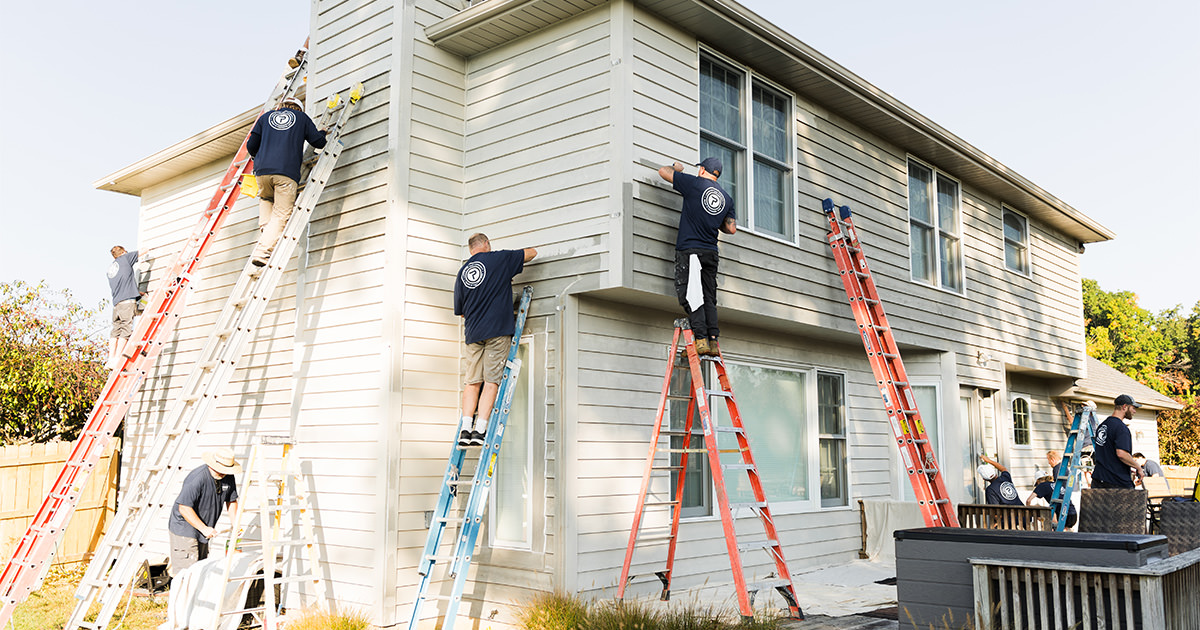
When it comes to boosting your home’s curb appeal and protecting it from the elements, high-quality exterior painting is one of the most effective investments you can make. Lasting results depend on one critical factor: paint preparation. Without proper preparation, even premium paint can fail early. Whether your home features wood, vinyl, or aluminum siding, each material has unique characteristics that require specific treatment before the brush ever touches the surface.
In this article, you’ll learn why paint preparation matters and the best practices for different siding types. Our team also shares practical guidance that reflects the standards and expertise you should expect from a professional painting contractor.
Why Paint Preparation Matters
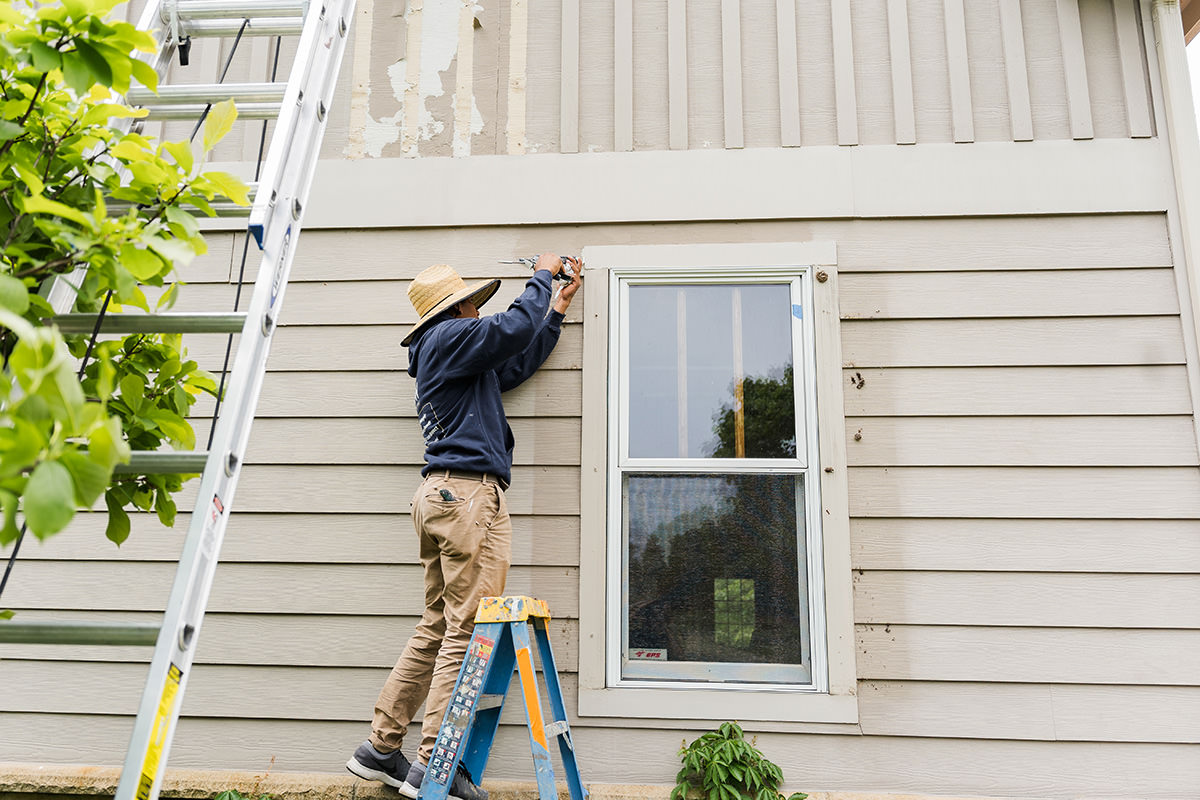
Paint does more than add color. It also acts as a protective barrier. Without proper surface preparation, paint won’t adhere properly, causing premature peeling, blistering, cracking, and uneven finish. Industry sources report that inadequate preparation is a common cause of exterior paint failure, shortening the life of the paint project and costing more in repair and repainting.
Professional painters focus on preparation because it determines how long the paint system performs.
Effective paint preparation supports three essential steps. It:
- Removes contaminants like dirt, mildew, and flaking paint that interfere with adhesion.
- Creates a uniform surface that allows the new coating to bond consistently.
- Addresses underlying material issues such as rot, oxidation, or warping before they worsen.
Wood, vinyl, and aluminum siding respond differently to environmental stress, so understanding how to prepare these surfaces correctly is critical for durable results.
Preparing Wood Surfaces for Paint
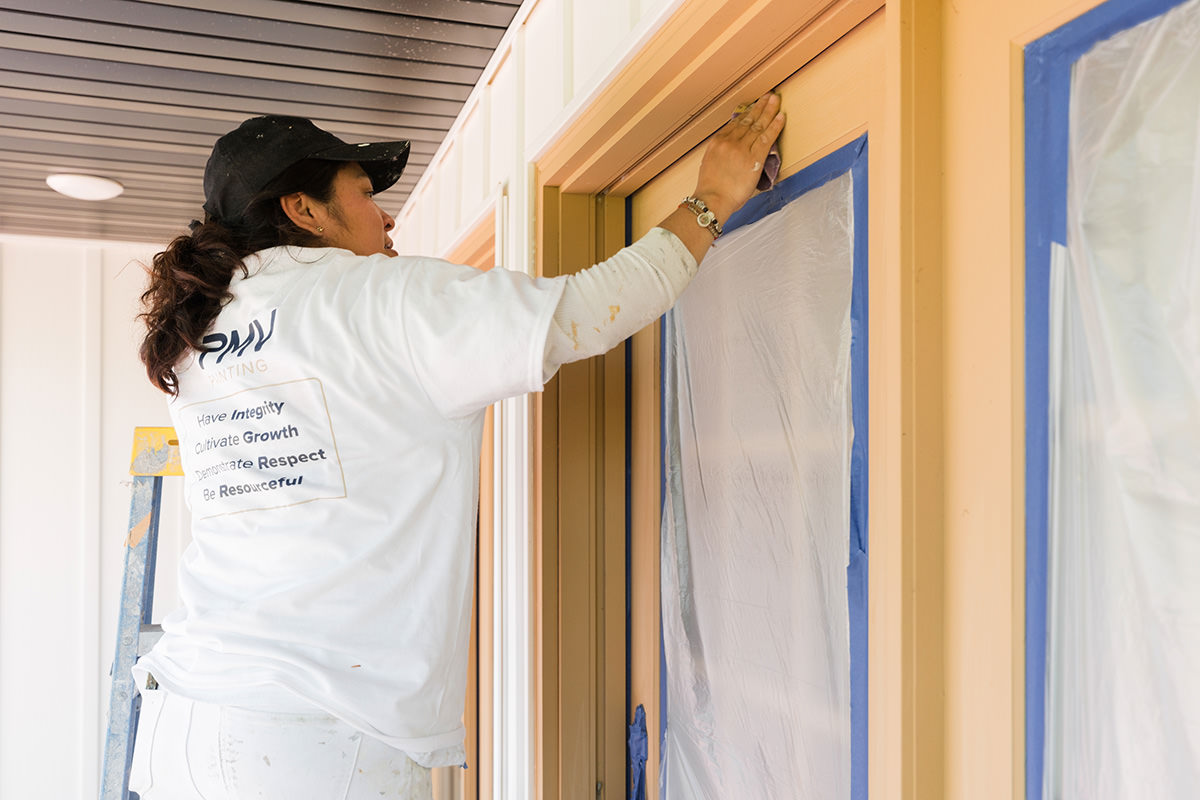
Exterior wood surfaces provide warmth and beautiful character, but they also absorb moisture and react to temperature changes. These traits call for careful preparation before painting, using the following best practices.
1. Evaluate the Surface Condition
Painters begin wood paint preparation by inspecting the surfaces for damage. Common issues with wood include rot, cracks, loose boards, and peeling paint.
Paint does not stop rot. Covering damaged wood only traps moisture and accelerates decay. Soft or deteriorated wood must be repaired or replaced, because sound surfaces provide the foundation for a durable finish.
2. Clean the Surfaces Thoroughly
Cleaning removes dirt, mildew, pollen, and residue that interfere with paint adhesion. With wood surfaces, painting contractors typically use soft washing or low-pressure washing with appropriate cleaning solutions.
High pressure can damage wood fibers, creating a rough surface. Using too much pressure on wood siding can force water behind it. Controlled cleaning protects the material and prepares it for the next steps.
3. Remove Loose Paint and Smooth Edges
Old paint must adhere well before applying new coatings. Professional painters will scrape any failing paint by hand and then sand rough edges. This process creates smooth transitions between bare wood and intact paint.
Sanding also opens the wood grain slightly, helping primer bond effectively to the surface.
4. Prime Exposed Wood
Primer plays a key role in the paint preparation of wood siding. Bare wood absorbs paint unevenly without primer, causing flashing (uneven sheen or color that shows through a finished paint surface) and weak adhesion.
Painters will select primers based on the wood condition and exposure. High-quality exterior primers suited for wood will seal the surface and improve topcoat performance.
5. Seal Joints and Gaps
Painters apply premium, paintable exterior caulk at joints, trim connections, and seams to prevent water penetration and air leaks. Flexible caulk moves with seasonal expansion and contraction.
Proper sealing improves appearance and protects against water damage.
Preparing Vinyl Siding for Paint
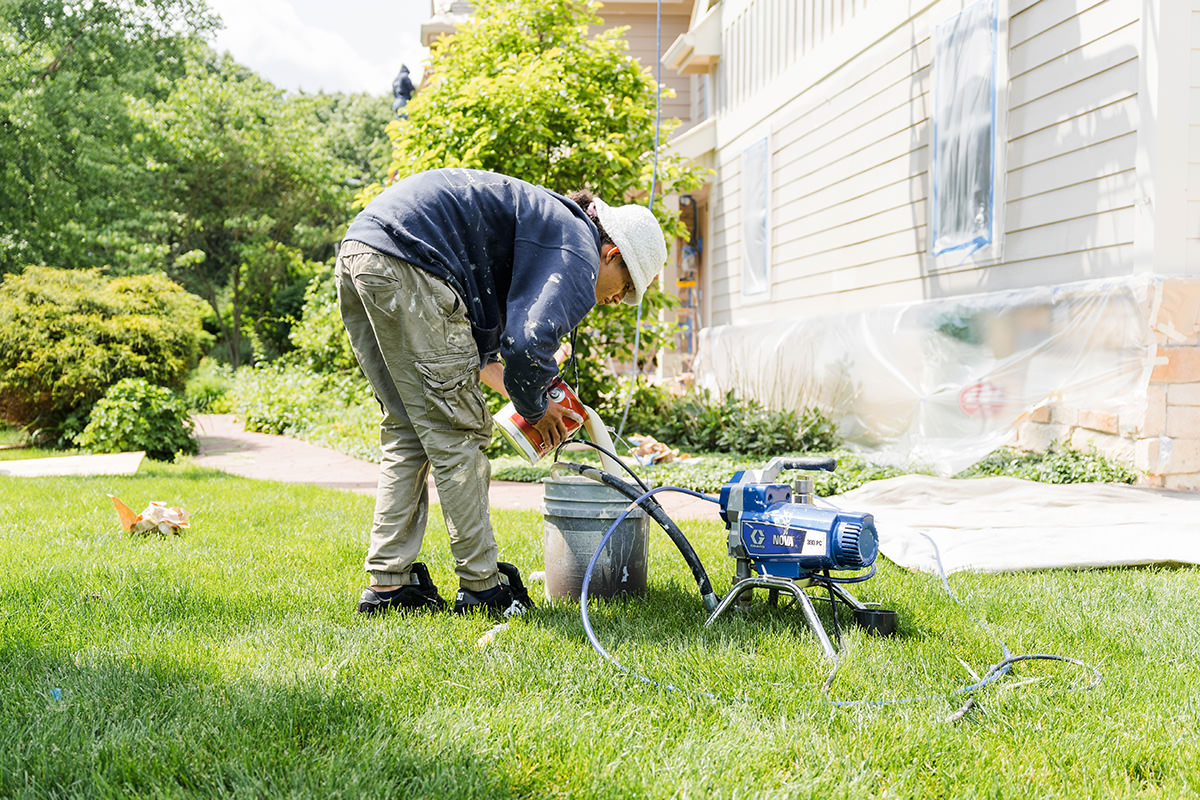
Vinyl siding resists rot and moisture, making it lower maintenance than wood, but its smooth surface creates adhesion challenges during painting. Proper paint preparation can address those challenges directly. Best practices for vinyl siding paint preparation include the following steps.
1. Remove Surface Contaminants
Vinyl collects dirt, mildew, and airborne pollutants over time. These contaminants prevent paint from bonding properly.
Painters will wash vinyl siding using appropriate detergents and controlled pressure. Then, they rinse thoroughly to remove all residue before drying.
2. Inspect Panels and Connections
Paint adheres best to stable surfaces. Movement in vinyl siding can lead to the paint cracking and peeling later.
Paint preparation for vinyl surfaces includes checking for cracked panels, loose sections, and warped areas. Professional painting contractors will secure loose pieces and replace damaged panels.
3. Use a Vinyl-Compatible Primer
Vinyl requires primers designed for non-porous surfaces. These primers improve adhesion and reduce the risk of premature paint failure.
Painters will confirm the compatibility of the primer, paint, and existing siding before starting the project to protect the siding’s appearance and longevity.
4. Address Trim and Transitions
Because vinyl siding includes trim pieces around windows, doors, and corners, painters will seal gaps where trim meets other materials. Proper sealing prevents moisture from reaching the supporting framework.
Preparing Aluminum Siding for Paint
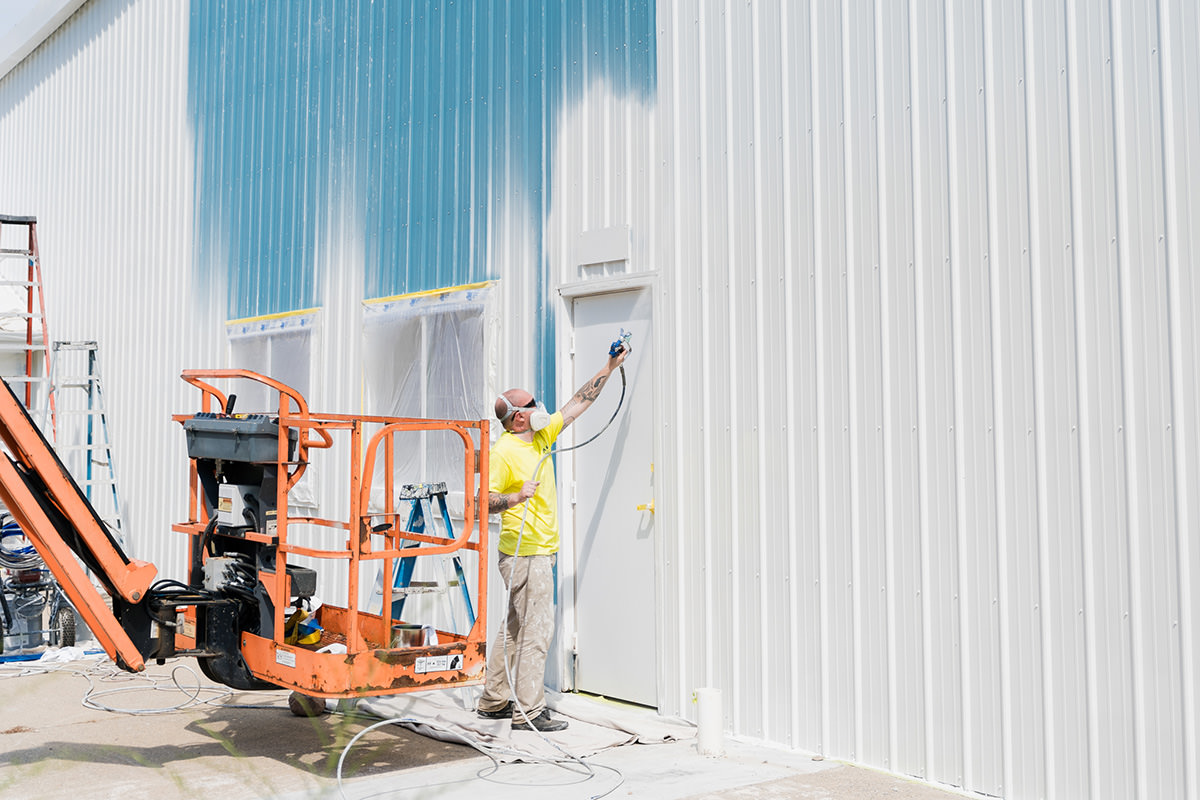
Aluminum siding provides durability and longevity, often looking great for decades. Over time, oxidation forms a chalky residue that interferes with paint adhesion. If you decide to paint aluminum siding, contractors will use these best practices to prepare the surface for lasting results.
1. Remove Oxidation and Residue
Professional painters will clean aluminum siding with TSP (trisodium phosphate) or a dedicated siding cleaner to remove oxidation and eliminate the powdery film that prevents proper bonding.
Thorough rinsing ensures no residue remains before sanding or priming.
2. Sand Glossy or Chalky Areas
Light sanding creates a surface profile that helps primer adhere to aluminum siding. Painters will use a fine-grit sandpaper to create a profile that the primer can grip.
This step improves adhesion without damaging the siding’s integrity.
3. Inspect Aluminum Panels
The contractor will inspect aluminum siding for dents or soft spots caused by impact. For shallow dents, they may gently flatten the area with hand tools or use a metal-compatible, flexible exterior filler to improve appearance without stressing the metal. Soft spots indicate thin metal or minor defects; if the panel flexes slightly but holds fasteners securely, it can usually remain in place.
Professional painters will recommend panel replacement if the damage is significant.
4. Prime with Metal-Specific Products
Aluminum requires primers designed for metal surfaces. These primers prevent corrosion and promote strong adhesion.
Painters will choose products that match the siding type and environmental exposure to support long-term performance.
5. Inspect Fasteners and Seams
Loose or corroded fasteners can stain new paint and weaken attachment points. Contractors will replace failing hardware with corrosion-resistant options. They also seal seams and transitions to reduce water penetration.
Preparation Practices That Apply to All Siding Types
Certain paint preparation principles apply to all types of siding material.
Weather Conditions Matter
Paint preparation and application are highly dependent on weather conditions. Ideal temperatures for exterior painting typically range from 50 to 85 degrees Fahrenheit.
Painters will avoid wet conditions and direct, intense sunlight because these factors affect paint drying time and adhesion.
Dry Surfaces Are Essential
Moisture is paint’s enemy, because when trapped beneath the paint, it can cause blistering and peeling. Painters will confirm surfaces are completely dry before priming or painting.
This step protects the entire paint system.
Safety Supports Quality Work
For any painting project, safe work practices support consistent results and project efficiency.
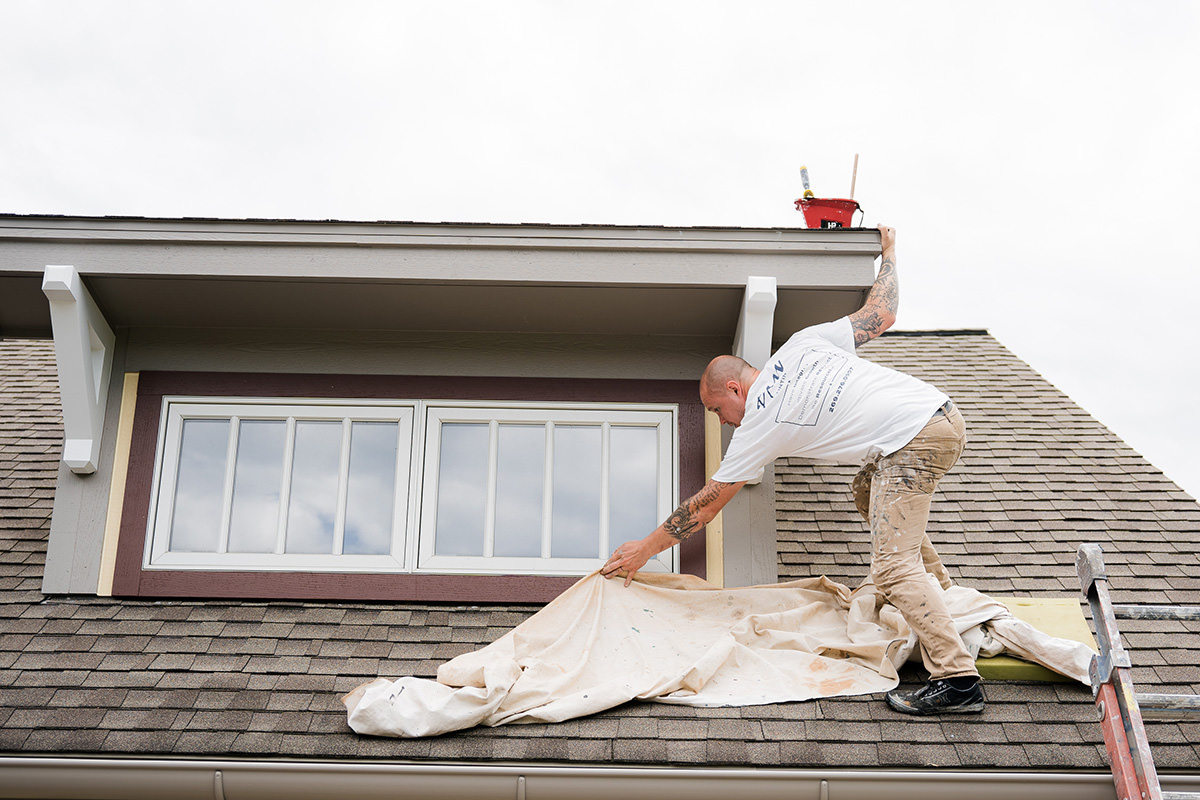
Exterior paint preparation includes ladders, cleaning agents, and tools. Professionals will follow safety procedures including personal protective equipment (PPE) to protect workers, and follow manufacturer guidelines for all paint products to protect property.
Product Quality Affects Outcomes
Material selection plays a major role in paint longevity.
High-quality primers and paints outperform lower-grade options. Exterior paints with UV protection, good flexibility, and adhesion properties will offer better weather resistance.
Why Professional Paint Preparation Makes a Difference
Paint preparation requires time, training, and experience. Professional painters understand how different materials behave and how to prepare them correctly.
At PMV Painting, preparation receives the same attention as the final application. Our teams evaluate surfaces carefully and tailor preparation methods to fit each project.
Our approach helps ensure that paint systems perform as intended, reducing maintenance and extending repainting cycles.Professional preparation protects your investment and delivers consistent results.
If you’re planning an exterior painting project, contact the professionals at PMV Painting who prioritize preparation. The results will show for years to come.