
Front Door Colors: How to Choose One That Fits Your Home
July 17, 2026
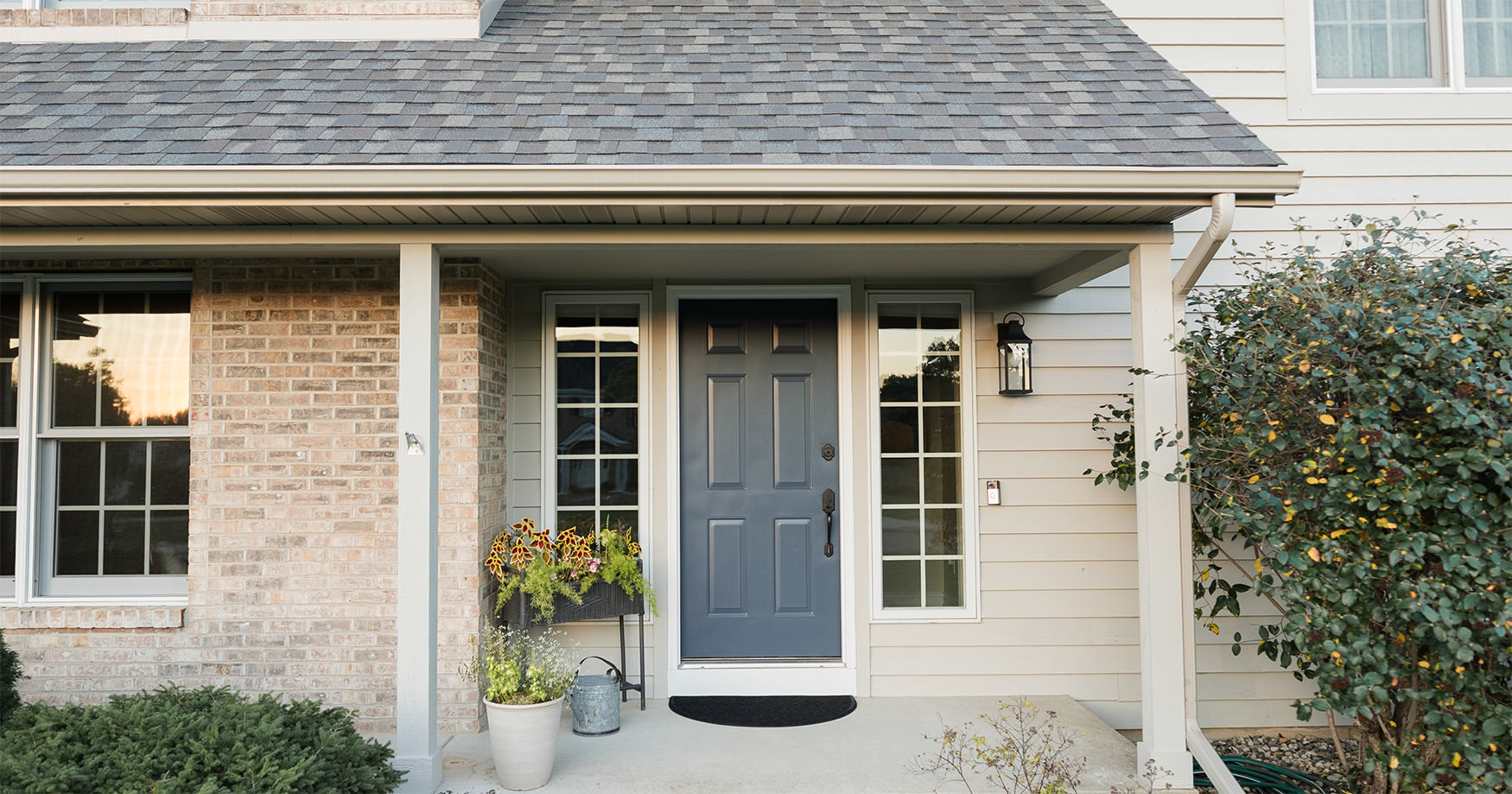
You might start your search for a front door color with paint chips. But the best choice often begins by looking at the parts of your home that won’t change, such as your roof, brick, stone, or siding. After painting homes throughout Southwest Michigan, we’ve found that narrowing the possibilities first often leads to a decision homeowners enjoy long after the project is complete.
Decide What Role You Want Your Front Door to Play
Before looking at specific paint swatches, one question we ask homeowners is whether they want guests to notice the front door first or the home as a whole. What visual job should your entry door perform? Homeowners generally fall into two distinct camps, and clarifying your preference immediately simplifies your color palette:
- The Quiet Complement: This approach treats the front door as a seamless extension of the existing exterior. The goal is a cohesive, sophisticated look where the door blends with the surrounding siding or trim. If you prefer a subtle, elegant aesthetic, you will lean toward understated neutrals, soft tones, or rich wood stains that whisper rather than shout.
- The Dramatic Focal Point: This approach turns the front door into the undisputed star of your home’s facade. The goal is an intentional pop of high-contrast color that immediately draws the eye and announces the entryway. If you want to inject personality or a sense of welcome, you will explore vibrant reds, deep teals, or crisp black against light siding to create a striking visual anchor.
Neither approach is right or wrong, but making this decision first cuts your color options in half. It shifts your search from a guessing game of “What color looks nice?” to a targeted mission of finding a shade that achieves your specific design goal.
Think About Contrast, Not Just Color
Seeing how these elements work together in practice can help clarify the relationship between your home’s main body and the entryway. When homeowners can’t decide between two colors, we often look at contrast. The following popular, proven combinations demonstrate how different colors interact:
White Houses
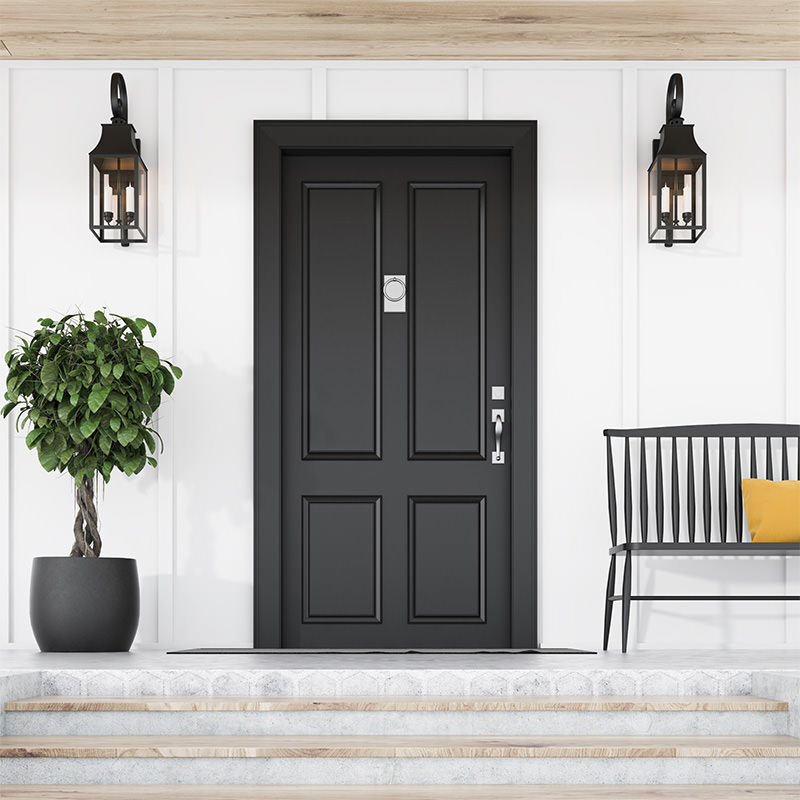
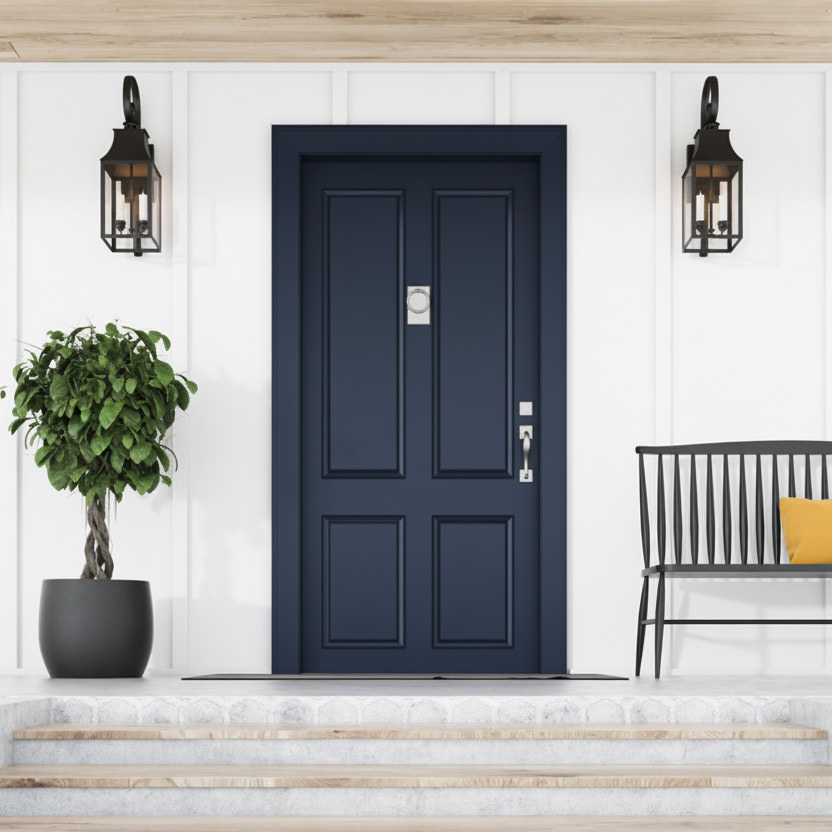
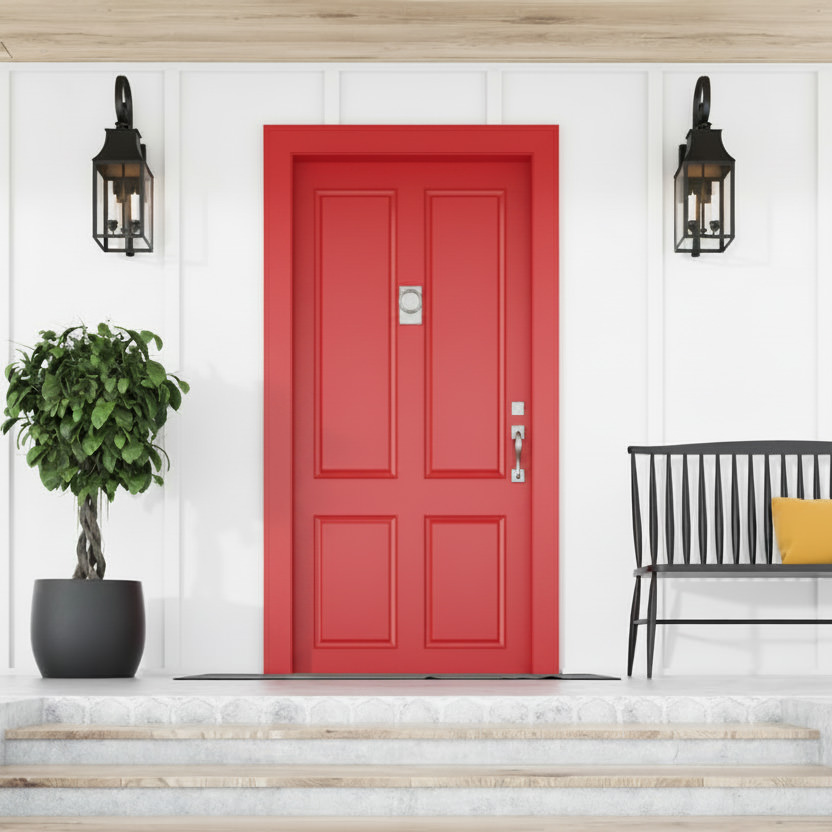
A white exterior acts as a blank canvas, giving you maximum flexibility. A black door delivers a classic, high-contrast tuxedo look. Choosing navy offers a softer, nautical sophistication, while a vibrant red door provides an energetic, welcoming focal point.
Gray Houses
Gray siding or stucco provides a cool, neutral backdrop. Pairing it with a rich stained wood door introduces instant organic warmth. A charcoal door creates a sleek, monochromatic style, while a pop of teal injects a modern, playful personality.
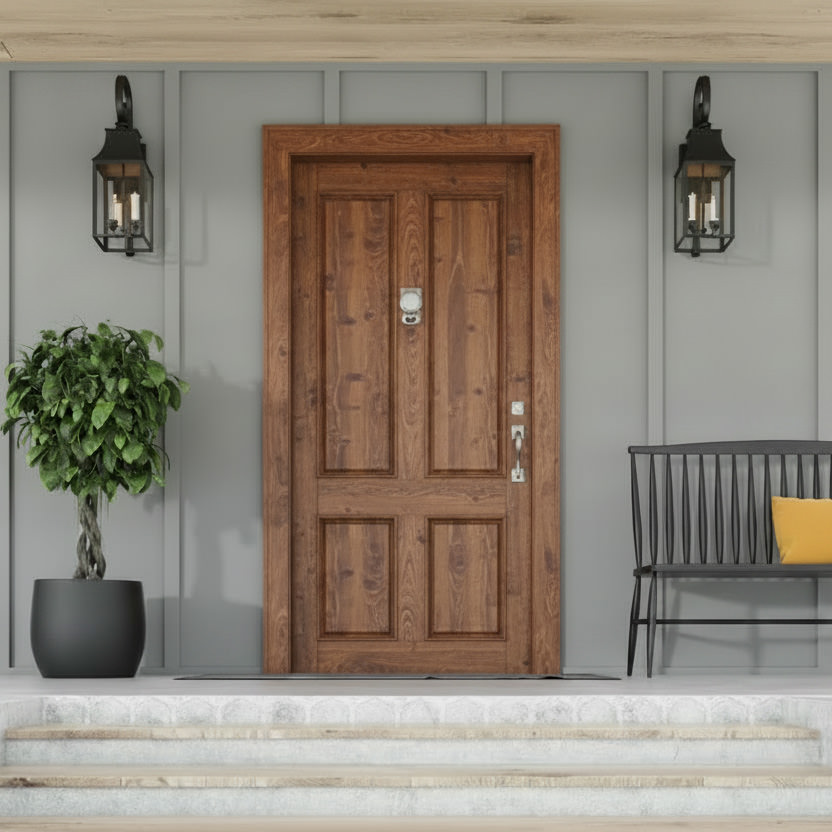
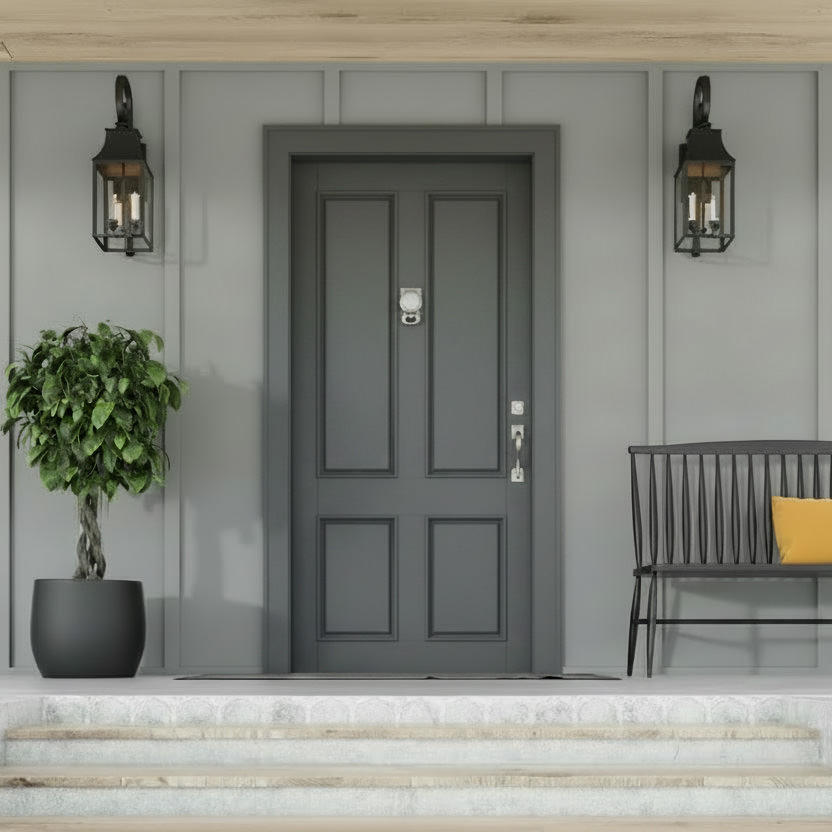
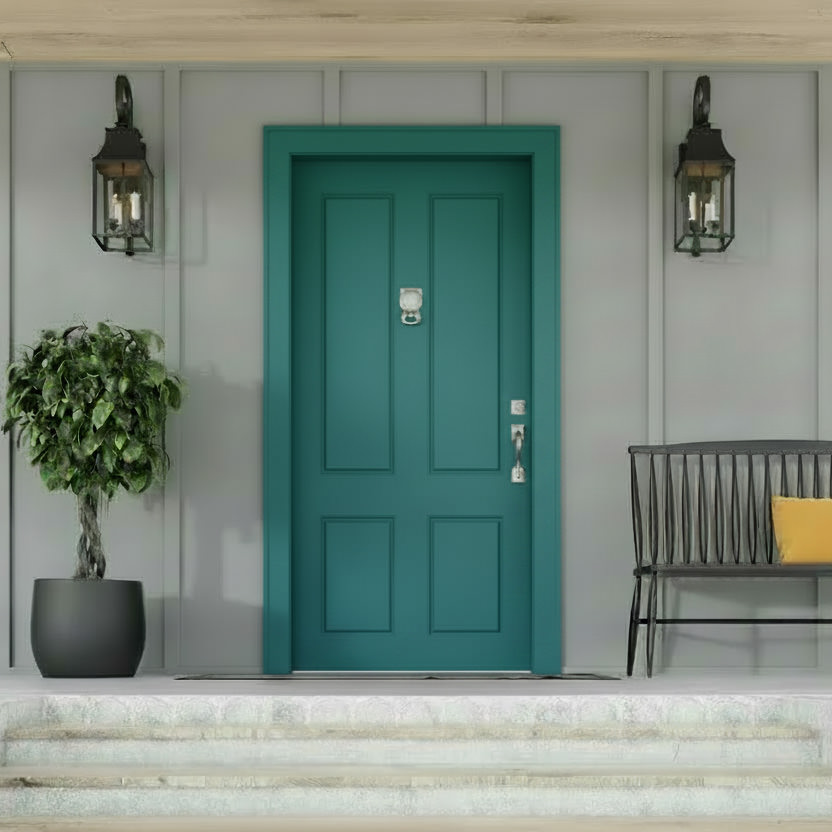
Brick Houses
Brick features fixed, complex earthy tones. Selecting a sage green door balances out the natural red in the clay. A black door adds a formal, historic grounding, while a deep blue door provides an elegant, upscale contrast.
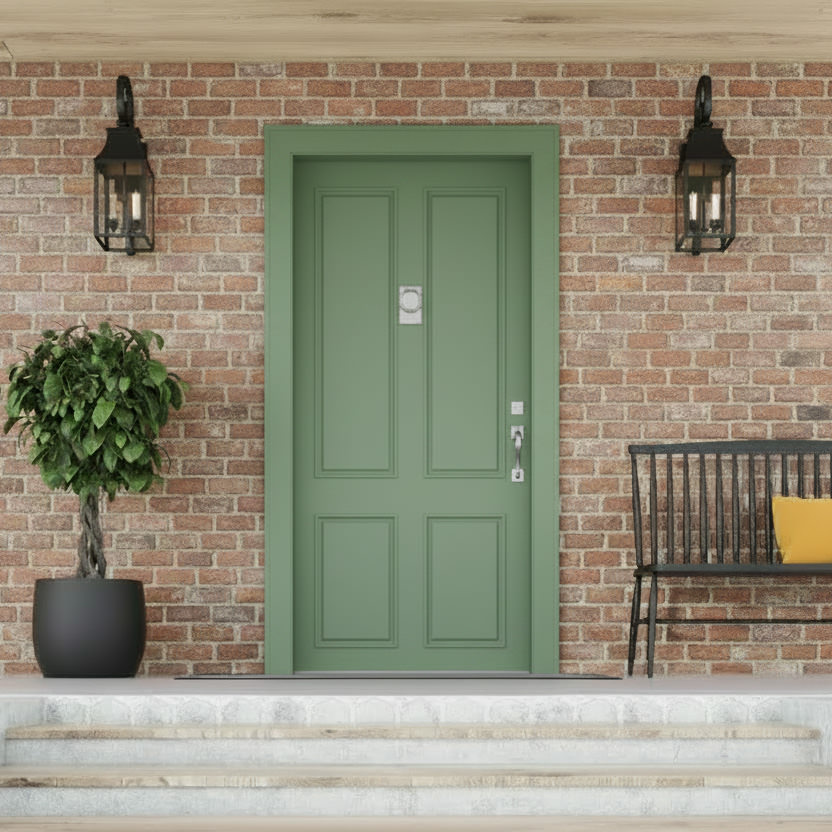
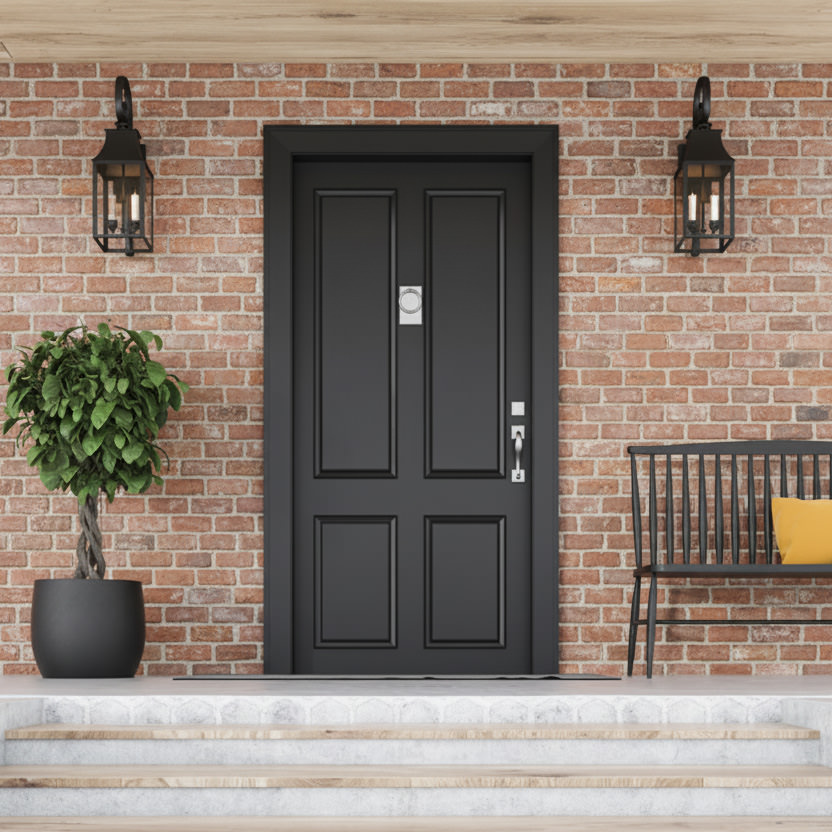
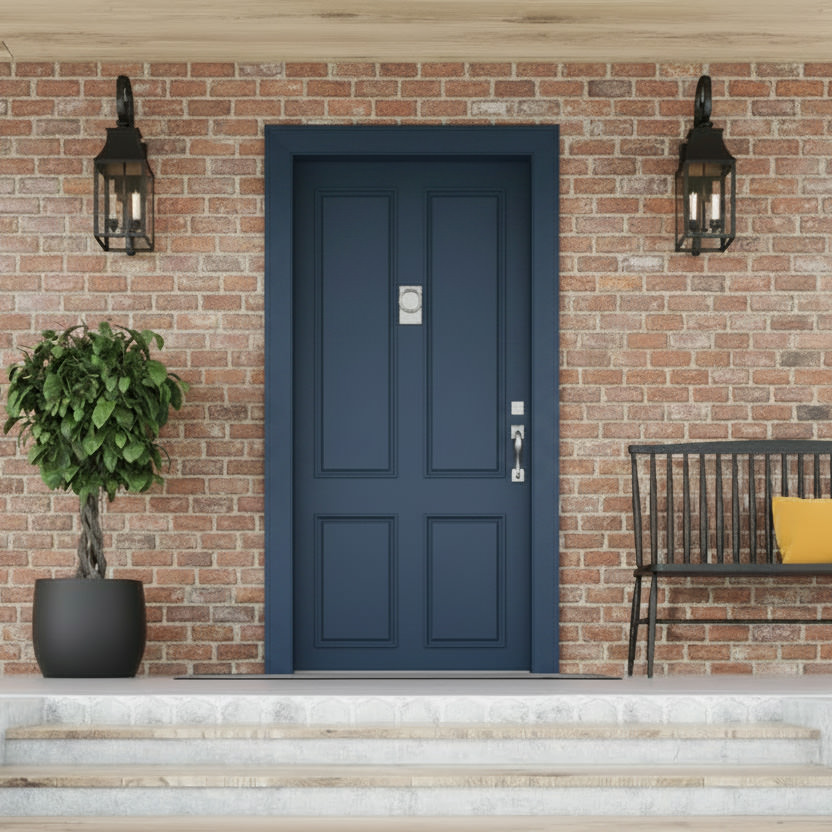
These examples illustrate the power of contrast.
Your front door is the natural focal point of your home’s façade. Think about it like a visual “handshake” that greets guests. By selecting a color that contrasts harmoniously with your permanent features, you create a layered, intentional look that enhances your home’s entire architectural design.
Consider Your Home’s Architectural Style
Your home’s architecture provides a historical and structural context that naturally fits with some color profiles. The structural context shapes how we perceive color. For example, a deep navy blue can look incredibly stately, grounding, and timeless on a formal Colonial or a lakeside cottage. That same navy blue can feel cold or overly rigid when paired with the organic, earthy wood textures of a rustic Craftsman home.
Rather than prescribing rigid color formulas, looking at your home’s architectural style helps you understand the underlying design language your entryway should speak:
Colonial
This style favors symmetrical layouts, formal trim, and historic dignity. Front doors stand out with deep, high-gloss hues like rich hunter greens, dark burgundies, and stately blacks.
Craftsman
Rooted in natural materials, handcrafted elements, and warmth, craftsman front door colors could include warm olive greens, muted rust, or deep, exposed wood stains.
Farmhouse
Known for clean vertical lines, light backdrops, and practical charm, farmhouse entryways will shine with crisp, high-contrast black doors, soft pastels, or friendly, mid-toned heritage blues.
Modern
With minimal ornamentation, industrial materials, and bold structural lines, front door colors on modern homes often lean toward monochromatic tones. The entrance can also become an intentional focal point with a singular, vibrant primary color.
Lake Homes
Influenced by water views, expansive skies, and a casual, relaxed atmosphere, lake house entryways naturally fit with sun-bleached driftwood grays, soft aquas, and crisp nautical blues.
Traditional
The classic proportions, comfort, and enduring appeal of traditional architecture pairs well with versatile palettes like deep charcoals, rich warm browns, and balanced navy blue.
| Exterior | Door Color Families |
| White Siding | Black, Navy, Red |
| Gray Siding | Wood, Charcoal, Navy |
| Red Brick | Sage, Black, Navy |
| Stone | Olive, Walnut, Charcoal |
Aligning your color choice with the structural style of your house helps your door front door come a natural continuation of its architectural story rather than an afterthought.
Remember the Details Around the Door
Your new front door color may clash with the accents around the entryway. Trim, shutters, hardware, light fixtures, house numbers, and planters are supporting elements that frame your front door. Sometimes, replacing tarnished brass handle sets with modern matte black or oil-rubbed bronze hardware adds additional visual impact to the new paint color. Think about choosing fixtures and house numbers that match the metallic undertones of the door’s hardware to create a cohesive, polished look.
See the Color in Different Lighting
A paint chip that you like at your kitchen table can look very different on your front door. Because outdoor lighting changes, front door colors can shift from bright and vibrant to dark and moody in just a few hours. Because paint samples often eliminate more options than they confirm, we encourage viewing them at different times of day:
- Morning: Direct, crisp sunlight can wash out lighter pastel shades and make bright colors appear incredibly intense.
- Afternoon: The warmer, golden light of late day enhances earth tones, but it can also make cool grays or blues look slightly muddy.
- Shade: Recessed entryways or deep porch overhangs cast a cool, blue-toned shadow that causes dark colors to lose their detail and look flat.
- Cloudy Days: Diffused, overcast skies flatten color contrast, revealing the true, stark undertones of your paint choice.
Navigating Seasonal Shifts
Michigan’s changing backdrop throughout the year will alter perceptions of front door colors. As you consider your color selection, think about how it will look as the seasons shift. For example:
- Green Landscaping: The lush, vibrant greens of spring and summer create a rich, organic frame. Complementary door colors like deep reds, warm woods, or soft plums pop beautifully against this verdant background.
- Snow and Michigan Winters: Winter blankets the landscape in bright, stark white, while gray skies dominate for months. You may want a door color needs with visual weight like a rich navy, dark charcoal, or bold black to prevent your entryway from looking washed out against a frozen backdrop.
Test Before You Commit
In our fast-paced culture, it’s tempting to choose a paint color quickly from a smartphone screen or a tiny paper swatch. Digital screens can distort colors, and small swatches will not clearly show how a color expands across a large surface. Painting a large sample board (about two-feet square) and setting it next to your front door helps you observe how the color fits with your architecture and changes across dayparts.
Choosing a Front Door Color: A Quick Checklist
Decide whether you want the door to blend in or stand out.
Consider permanent features like brick, siding, and roofing.
Choose a color that complements your home’s architectural style.
View paint samples in different lighting conditions.
Coordinate hardware, lighting, and surrounding accents.
Questions We Often Hear About Front Door Colors
Should the front door match the shutters?
Not necessarily. While matching them provides a traditional look, making the front door a unique accent color can draw more attention to your entryway. If they do not match, consider keeping them in the same color family or cleanly complementing each other.
Should the garage door match the front door?
Generally, no. Your garage door occupies a massive amount of visual real estate. Painting it a bright accent color can pull attention away from your home. It is usually best to match the garage door to your siding or trim, leaving the front door as the main focal point.
What paint sheen works best for a front door?
Semi-gloss or satin sheens work best. Semi-gloss reflects light, highlights architectural details, and offers durability against scuffs. Satin provides a softer look while still providing great moisture and stain resistance.
Can I paint a metal front door?
Yes. You can absolutely paint a metal or fiberglass door. The key is surface preparation. The door must be cleaned, lightly sanded, and coated with a high-quality bonding primer before applying specialized exterior paint to ensure it adheres properly without peeling.
How often should we repaint the front door?
Repainting a front door can happen between three and five years. Doors with high sun exposure, heavy storm weathering, or dark paint colors that absorb heat may need more frequent touch-ups to prevent fading and cracking.
Final Thoughts
The best front door color for your home isn’t necessarily the trendiest one. Your front door needs to belong with your house, fitting the home’s architecture, complementing permanent features, and reflecting your personal style. The result will be a front door you’ll enjoy every time you arrive home.
Still deciding on your home’s overall exterior palette? Read our guide to exterior painting and contact the PMV team for a free estimate.