
Paint Preparation for High End Homes in Michigan
April 7, 2026
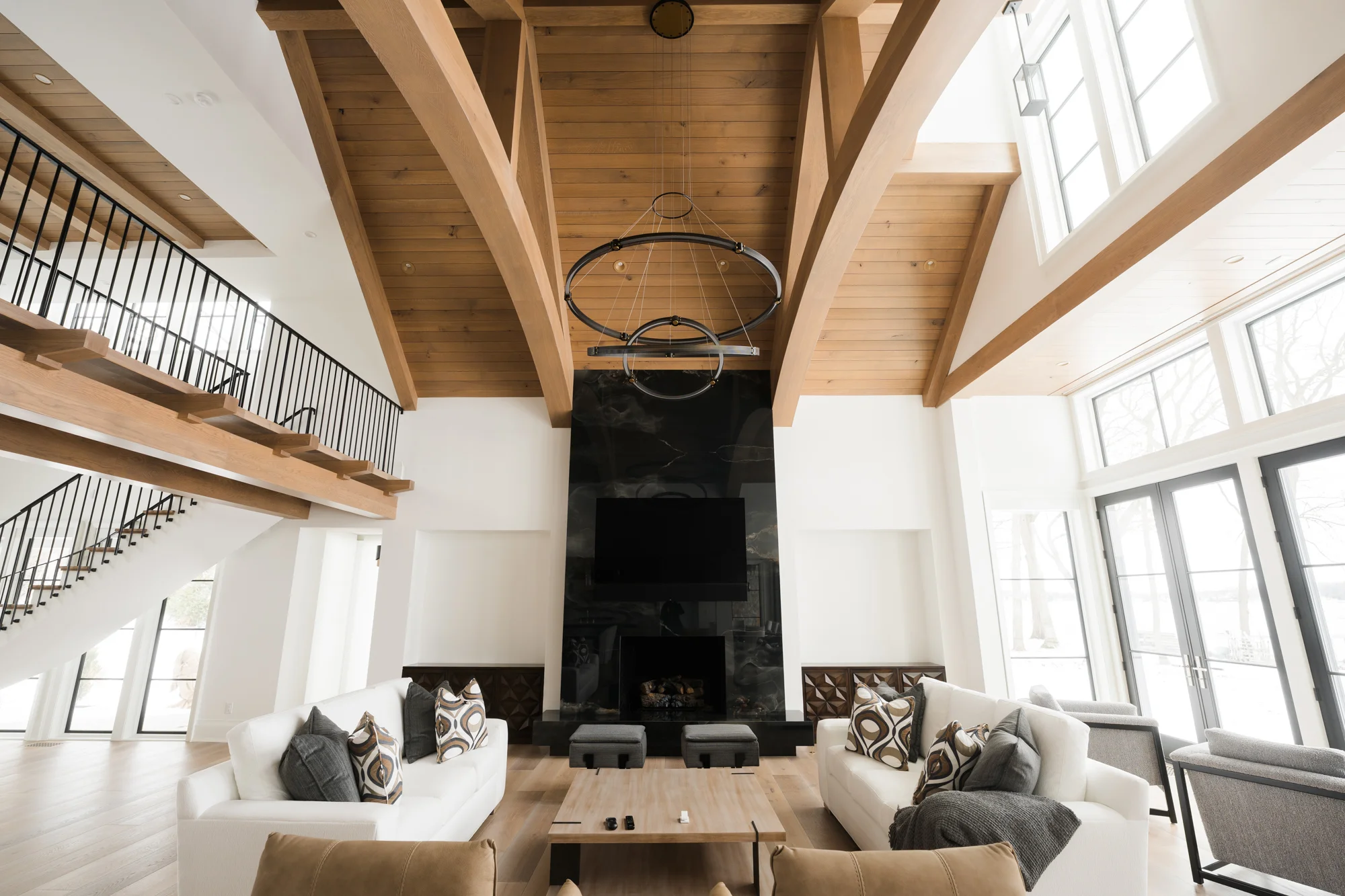
Paint preparation for high-end homes is what separates a finish that lasts from one that quickly begins to fail. Nothing is more frustrating than investing in a fresh paint job only to see cracks, stains, and uneven patches show up weeks later. The color looked perfect. The finish looked smooth. And for a moment, your home felt refreshed and elevated, exactly the kind of transformation you hoped for.
But then the small flaws started appearing. A stain slowly pushes through the paint. A rough patch catches the light. Tiny cracks you can’t stop noticing every time you walk past the wall.
Suddenly, the excitement you had after seeing the fresh results slowly turns into disappointment. And you now wish you had never contracted the painting company that did the job.
The truth is, a luxury paint job doesn’t begin with paint. It begins with preparation. Across homes in Michigan, you’ll see a paint job that has stayed beautiful for years and one that has faded into frustration.
And the difference between the two comes down to a step most homeowners never see: professional surface preparation.
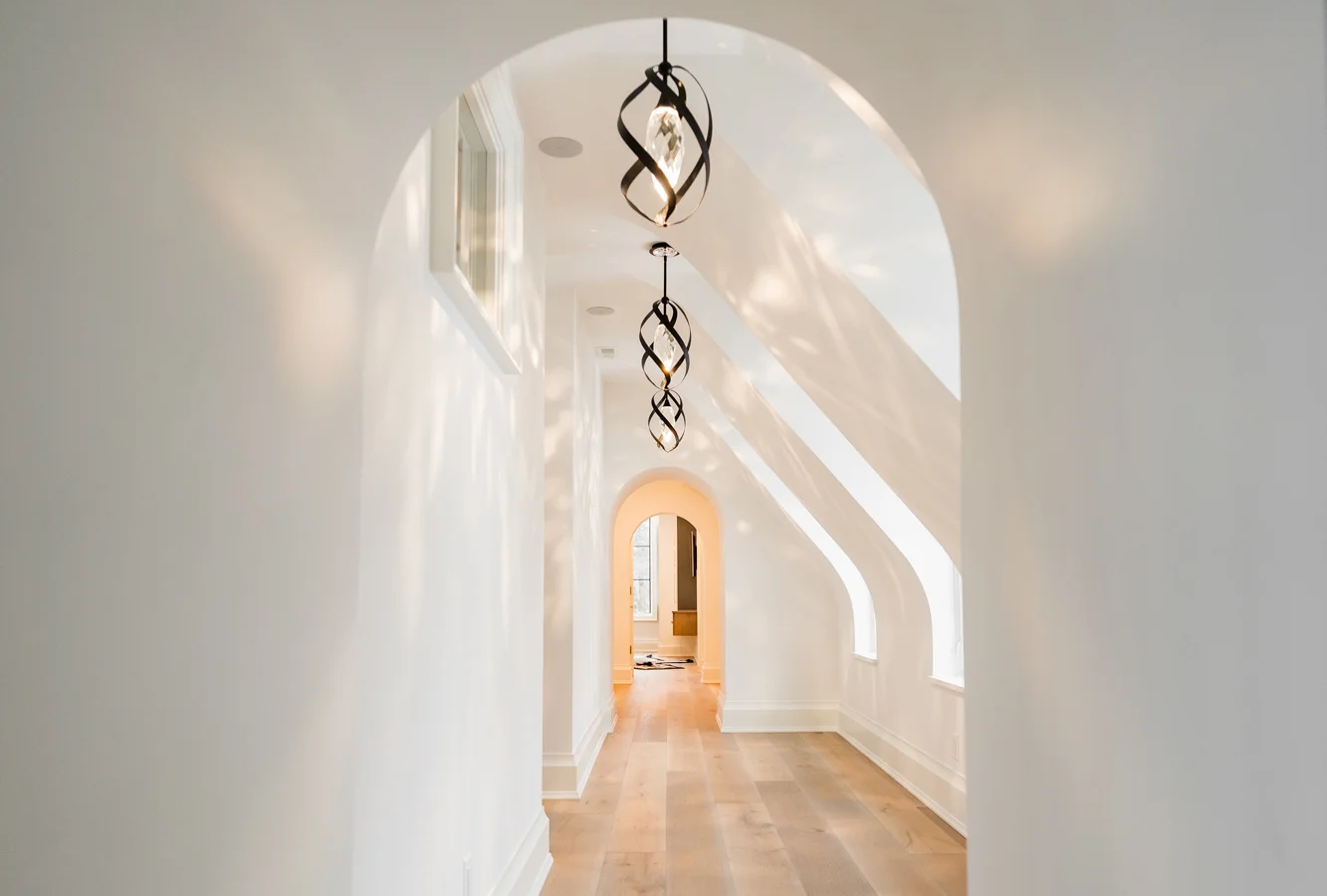
Clean, professionally prepared surfaces in a luxury Michigan home prior to painting.
Luxury Painting Starts Long Before the First Coat
Many painting companies focus primarily on the visible part of the job. That is, applying paint. But professional painters know that the real work happens before the first drop of paint ever touches the walls.
Expert-level results require an approach that treats every surface as a system. And this system must be carefully prepared to accept paint.
That includes:
- Evaluating the condition of the walls, ceilings, and trim
- Repairing imperfections that would affect the finish
- Sanding surfaces to achieve uniform smoothness
- Cleaning away dust, oils, and residues
- Applying primers designed for the specific material
Without these steps, even the most expensive paint will fail to deliver the finish homeowners expect. Surface prep ensures that paint bonds correctly, applies evenly, and cures into a durable, refined finish. And this level of attention is what separates routine painting from true craftsmanship.
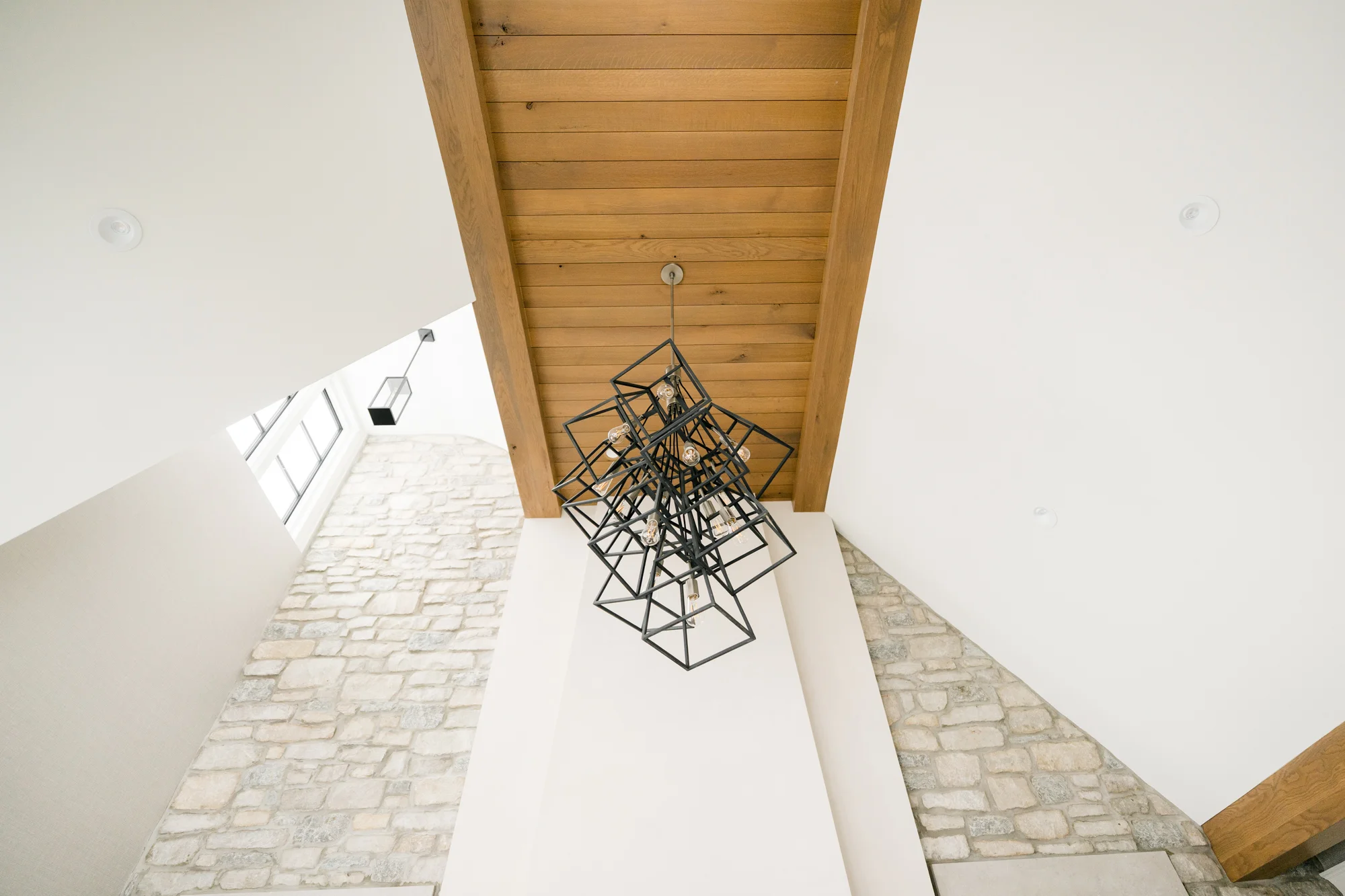
Architectural details and lighting reveal even the smallest surface imperfections in high-end homes
Why Surface Preparation Matters More in High-End Homes
When people think about painting a home, they often focus on color choices, finishes or paint brands. Expert painters, on the other hand, understand one secret. That is, paint is only as good as the surface beneath it. Paint preparation for high-end homes requires a higher standard of precision to achieve a truly refined finish.
Their architectural details are more intricate. Lighting is more deliberate, and materials are often more refined. All of these elements make surface imperfections easier to see. For example, large open spaces allow light to reveal uneven walls. Premium trim and millwork highlight even the smallest flaws. And designer lighting can cast shadows that expose surface defects.
Without meticulous preparation, paint will simply highlight these issues instead of hiding them.
An that’s when you’ll start to notice:
- Painting beginning to peel or blister
- Texture inconsistencies becoming more visible
- Cracks showing through the finish
- Adhesion failing over time
- Colors appearing dull or uneven
Specialized surface prep eliminates these issues before they ever have a chance to develop. That’s why paint preparation for high-end homes is essential for upscale interiors. It ensures that every surface looks intentional, refined, and consistent throughout the home.
The PMV Approach to High-Grade Surface Preparation
At PMV Painting, we treat preparation as a craft in its own right. Paint preparation for high-end homes is approached with precision and intention, ensuring every surface is properly prepared before the first coat is applied. Rather than rushing into the painting stage, our team focuses on creating the ideal foundation for the perfect finish.
This preparation often includes:
Detailed Surface Assessment
Our process begins with a detailed evaluation of every surface. This allows us to determine exactly what it needs before painting begins. Every interior surface is different. Walls, trims, ceilings, cabinets, and millwork all require specialized preparation.
And our painters carefully inspect surfaces to identify:
- Hairline cracks
- Nail holes and dents
- Texture irregularities
- Areas affected by humidity or wear
Addressing these issues early ensures the final finish will be smooth, consistent, and long-lasting.
Precision Repairs and Patching
Small imperfections become visible once paint is applied. This is especially true in homes with modern lighting and open layouts. Skilled surface preparation involves repairing these flaws so that the final result looks flawless.
These repairs may include:
- Filling nail holes and minor dents
- Repairing drywall seams
- Fixing loose drywall tape
- Patching cracks
- Repairing areas affected by water damage
- Addressing wood imperfections
- Smoothing uneven areas
- Restoring worn surfaces
Each flaw is repaired using appropriate high-quality materials like patching compound, wood filler, or drywall mud. When done properly, these repairs become completely invisible beneath the final coat of paint.
Our approach to paint preparation for high-end homes aligns with high-end industry standards by treating prep work as a specialized craft. We adhere directly to Painting Contractors Association (PCA) Level 3 and 4 requirements.
We adhere directly to Painting Contractors Association (PCA) Level 3 and 4 requirements.
Our documented practices are designed to address Michigan’s environmental challenges through thorough inspections and precise, durable repairs. The result is long-lasting, smooth finishes.
Sanding for a Smooth, Uniform Finish
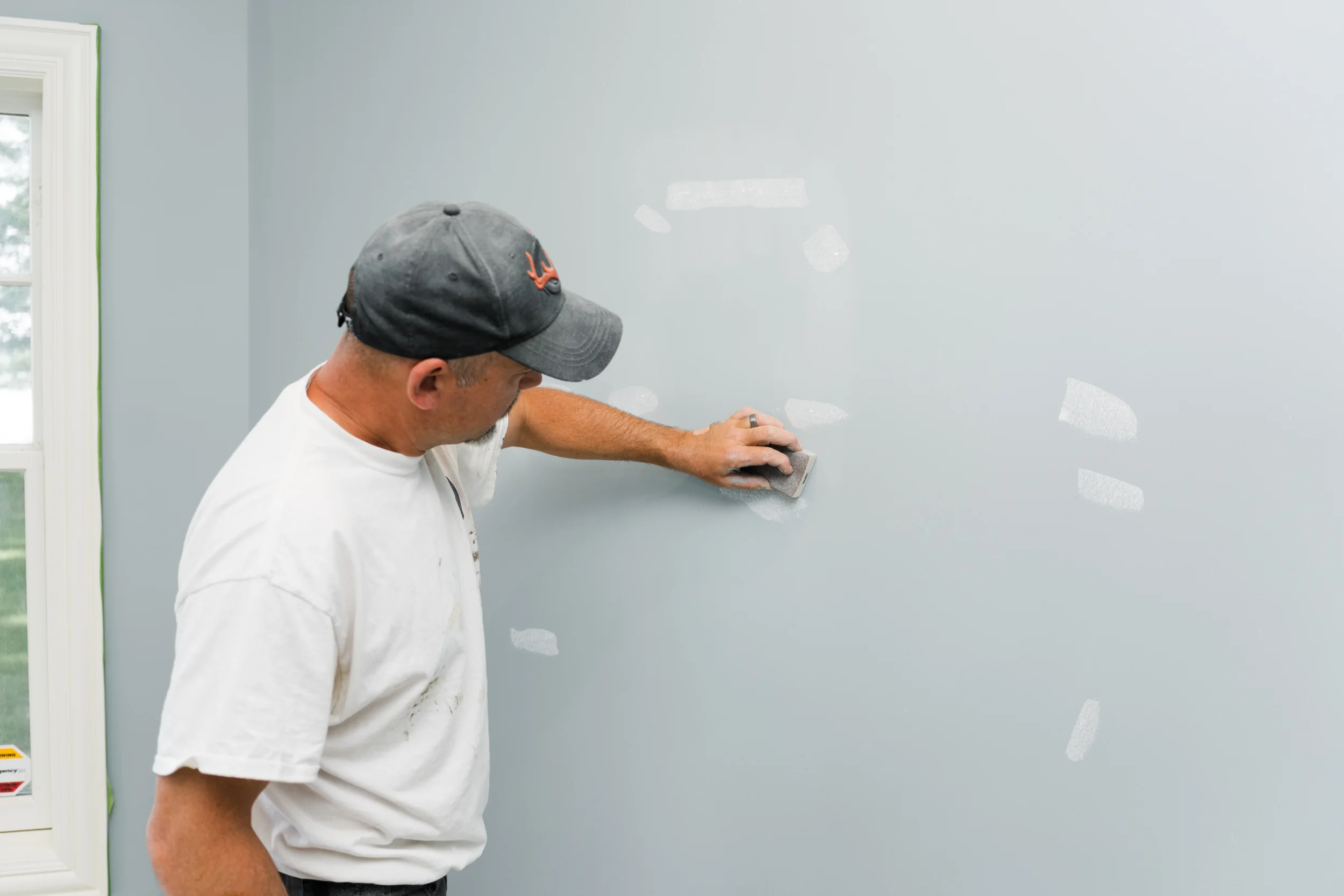
Sanding is one of the most important and most overlooked parts of professional preparation. In paint preparation for high-end homes, it ensures surfaces are perfectly smooth and creates the ideal texture for paint to adhere properly.
This step can include:
- Light sanding between coats
- Smoothing previous paint layers
- Preparing glossy surfaces for new finishes
- Creating a consistent texture across walls and trim
Superior painters often sand entire surfaces rather than just the repaired spots. This creates a balanced, cohesive texture that allows the new paint to bond properly. Without sanding, paint can appear uneven or reveal subtle imperfections after it dries.
With proper sanding, the result feels silky smooth and visually seamless.
Caulking and Sealing Gaps
Another hallmark of a high-caliber paint job is crisp, clean transitions between surfaces. Small gaps around trim, baseboards, crown moldings, or window frames can disrupt the appearance of an otherwise flawless paint job. Skilled painters use top-quality caulking materials to seal these gaps before painting.
This step accomplishes several things:
- Creates seamless transitions between surfaces
- Prevents air and moisture intrusion
- Enhances the finished appearance of trim and molding
- Improves the durability of the paint system
After applying and smoothing caulking, trim and architectural details appear sharp and well-defined. It’s a subtle detail that dramatically elevates the finished result.
Extensive Cleaning Before Painting
Even surfaces that appear clean can carry residue, dust, or oils that affect paint adhesion. Before painting begins, PMV painters ensure surfaces are thoroughly cleaned and properly prepared.
This may involve:
- Removing dust and debris
- Degreasing kitchen and high-touch areas
- Eliminating smoke particles from walls and ceilings
- Cleaning trim and baseboards
- Removing residue from household cleaning products
- Preparing surfaces exposed to humidity
Experienced painters use specialized cleaners and techniques to create a clean, stable foundation for the new coating. This is especially important in kitchens, living areas, hallways, and bathrooms where buildup occurs more quickly.
Proper cleaning ensures the paint bonds securely and cures into a durable, long-lasting finish.
Strategic Priming for Lasting Results
Primer plays a crucial role in achieving a luxury finish. While some assume it is optional, experienced painters know it is essential for long-term durability and color performance.
Proper priming seals porous surfaces, creates uniform coverage, improves adhesion, and prevents stains from bleeding through. It also enhances the durability of the top coat.
Certain situations require primer, including:
- Painting over drywall repairs
- Covering dark or bold colors
- Sealing water stains
- Painting raw wood
- Switching between different paint types
Choosing the right primer ensures the paint system performs exactly as intended. When properly applied, it creates the ideal surface for a flawless, lasting finish.
The Craftsmanship Behind Master-Level Surface Preparation Work
High-end interior residential painting is about more than just color. It’s about creating an environment where every surface reflects care, precision, and thoughtful craftsmanship.
At PMV Painting, preparation is never rushed or treated as a secondary step. Instead, it’s approached with the same level of attention and expertise as the final finish itself.
Refined painters develop a trained eye for detail, allowing them to detect subtle imperfections most homeowners would never notice. They understand how different materials behave, including drywall, plaster, wood trim, masonry, and previously painted surfaces. Each material requires a slightly different preparation approach.
For example, wood trim may require detailed sanding and grain filling. Older plaster walls may need specialized repair compounds. Cabinets often demand extensive sanding and thorough degreasing before painting. Professional painters adjust their process based on the specific surface conditions in each home.
This level of attention is what allows them to consistently deliver high-end results. When preparation is done correctly, the final finish speaks for itself.
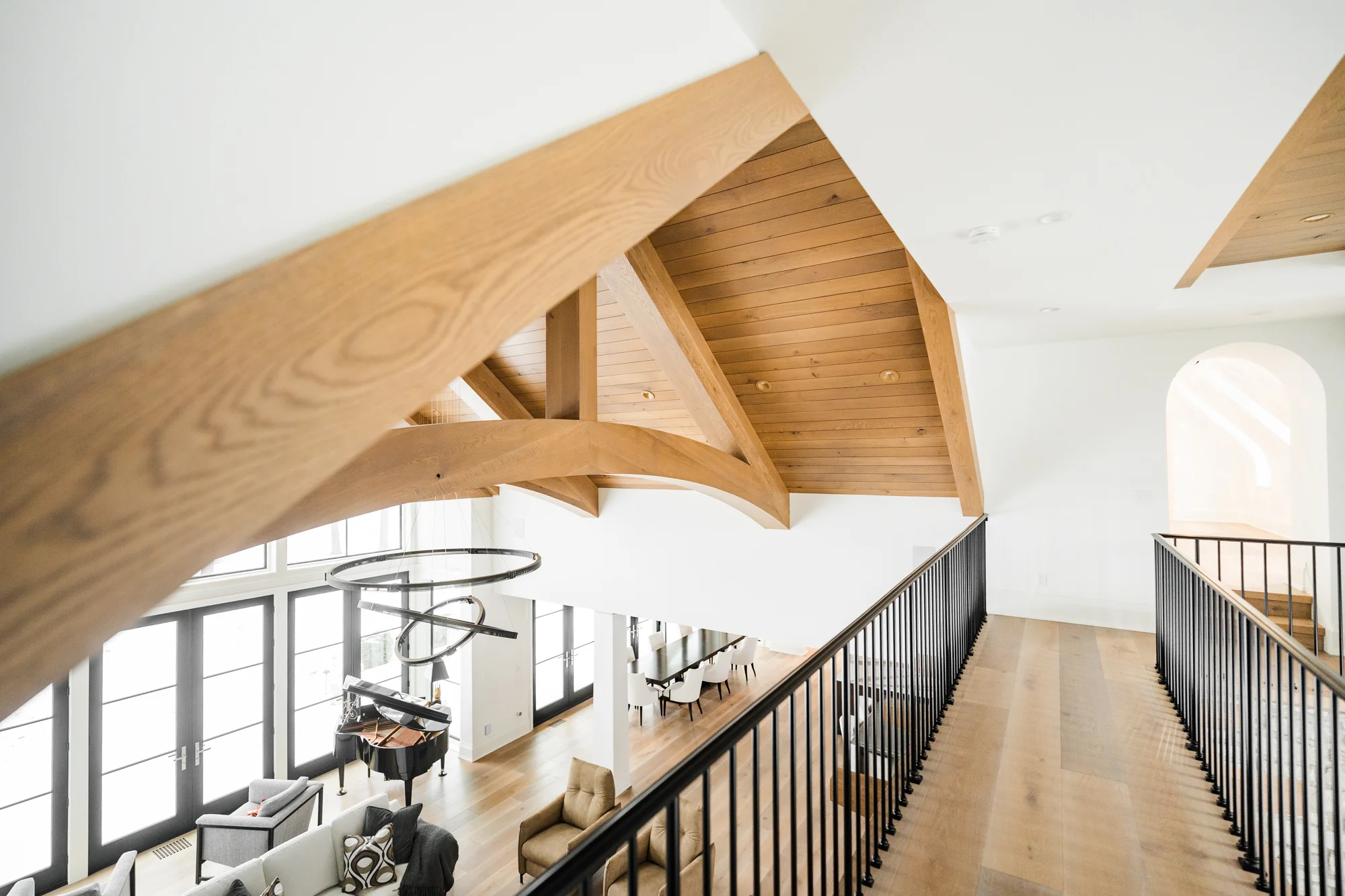
Every surface, edge, and transition must be precisely prepared to achieve a consistent, refined finish
Preparation Protects Your Investment
Beyond aesthetics, proper surface preparation significantly extends the lifespan of a paint job. Paint preparation for high-end homes plays a critical role in preventing early paint failure. Issues like peeling, cracking, and bubbling often trace back to problems beneath the surface.
Issues like peeling, cracking, and bubbling usually trace back to problems beneath the surface.
When surfaces are properly cleaned, repaired, sanded, and primed, paint bonds securely and performs as intended.
This leads to several long-term benefits:
- Paint maintains its color and finish longer
- Surfaces resist chipping and peeling
- Touch-ups become less frequent
- Maintenance costs remain lower over time
In many cases, a well-prepared and professionally painted surface can last significantly longer than one that was rushed or improperly prepared. This durability is one of the key reasons professional painting delivers stronger long-term value.
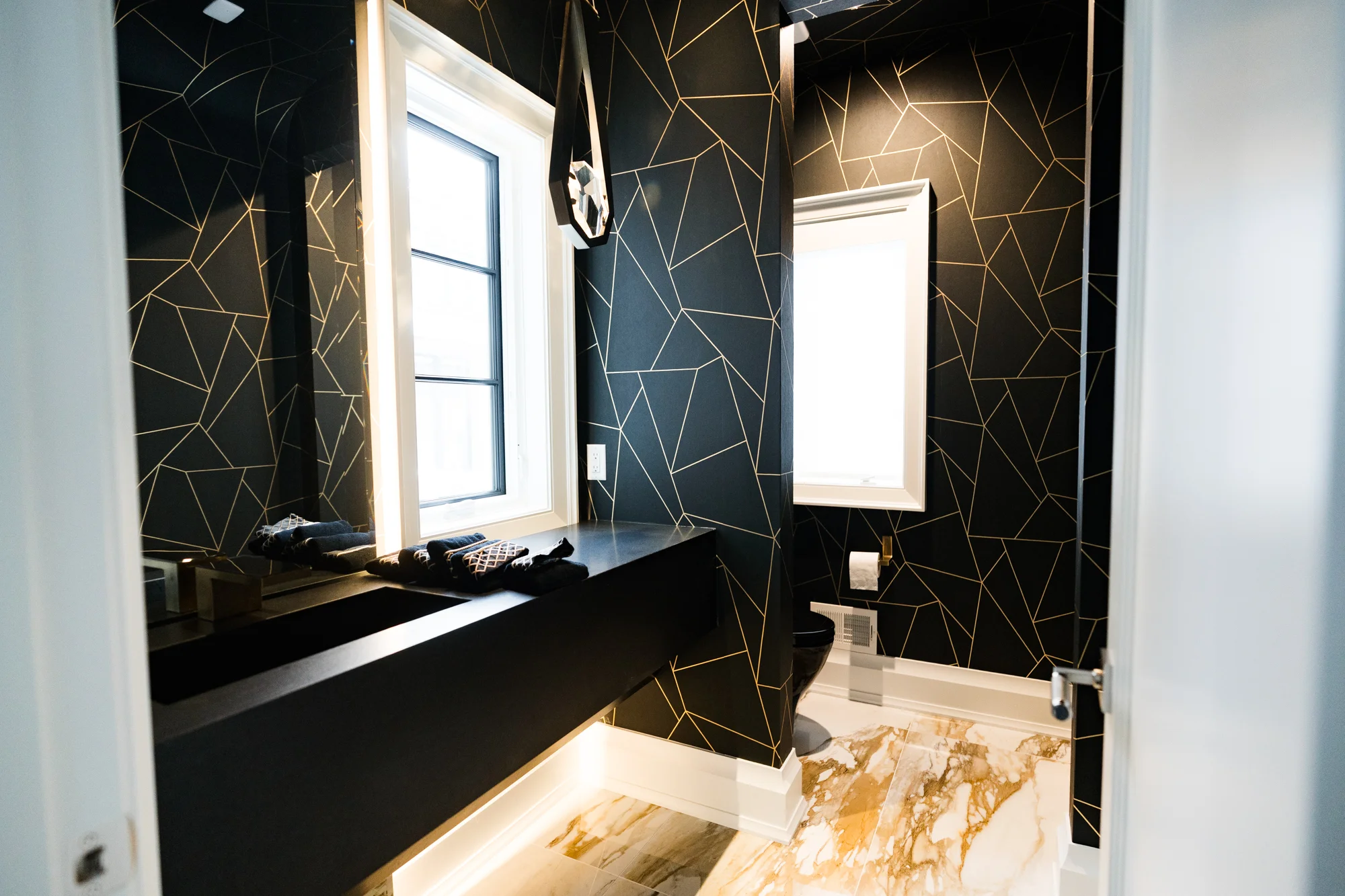
Refined finishes and crisp transitions are the result of meticulous surface preparation and expert craftsmanship
Preparing Aluminum Siding for Paint
Aluminum siding provides durability and longevity, often looking great for decades. Over time, oxidation forms a chalky residue that interferes with paint adhesion. If you decide to paint aluminum siding, contractors will use these best practices to prepare the surface for lasting results.
1. Remove Oxidation and Residue
Professional painters will clean aluminum siding with TSP (trisodium phosphate) or a dedicated siding cleaner to remove oxidation and eliminate the powdery film that prevents proper bonding.
Thorough rinsing ensures no residue remains before sanding or priming.
2. Sand Glossy or Chalky Areas
Light sanding creates a surface profile that helps primer adhere to aluminum siding. Painters will use a fine-grit sandpaper to create a profile that the primer can grip.
This step improves adhesion without damaging the siding’s integrity.
3. Inspect Aluminum Panels
The contractor will inspect aluminum siding for dents or soft spots caused by impact. For shallow dents, they may gently flatten the area with hand tools or use a metal-compatible, flexible exterior filler to improve appearance without stressing the metal. Soft spots indicate thin metal or minor defects; if the panel flexes slightly but holds fasteners securely, it can usually remain in place.
Professional painters will recommend panel replacement if the damage is significant.
4. Prime with Metal-Specific Products
Aluminum requires primers designed for metal surfaces. These primers prevent corrosion and promote strong adhesion.
Painters will choose products that match the siding type and environmental exposure to support long-term performance.
5. Inspect Fasteners and Seams
Loose or corroded fasteners can stain new paint and weaken attachment points. Contractors will replace failing hardware with corrosion-resistant options. They also seal seams and transitions to reduce water penetration.
Why Premium Homes Require Experienced Painters
High-end homes often present unique challenges, including:
- Complex trim and architectural details
- Large continuous wall surfaces
- Specialty finishes
- Older surfaces that require restoration
- Designer-level expectations for the final appearance
Surface preparation is where professional skill truly becomes evident. It requires patience, specialized tools, and a deep understanding of materials and techniques.
For homeowners attempting DIY projects, preparation often becomes the most frustrating part of the process. It is time-consuming, physically demanding, and easy to underestimate.
Experienced painters streamline this process through refined systems and years of hands-on expertise. They identify potential issues early and resolve them before they become costly problems.
Professional painters also rely on advanced equipment, including dust-controlled sanding systems, high-quality fillers and patching compounds, specialized primers, and precision caulking tools.
This combination of skill, experience, and equipment allows for consistently superior results while eliminating the delays and frustration often associated with DIY preparation.
Homeowners across Kalamazoo, Portage, and Southwest Michigan trust PMV Painting for high-end interior residential painting because our team understands that exceptional finishes require exceptional foundations. Paint preparation for high-end homes is at the core of everything we do, ensuring each project meets the highest standards of quality and craftsmanship.
Through careful surface preparation and skilled craftsmanship, we deliver interior painting results that reflect the highest standards of quality and detail. If you are considering an interior painting project and want a finish that reflects the true character of your home, contact PMV Painting to start the conversation.
Our work looks exceptional on day one and continues to look exceptional for years to come. Our portfolio of interior painting projects reflects that standard.